
د. النسور يستعرض دور البوتاس العربية في دعم النمو الاقتصادي وترسيخ ركائز الأمن الاقتصادي
 أنباء الوطن -
خلال زيارة وفد كلية الدفاع الوطني لمصانع الشركة في غور الصافي
"البوتاس العربية" تمضي نحو تشكيل تكتل صناعي متكامل لتعظيم القيمة المضافة للثروات التعدينية
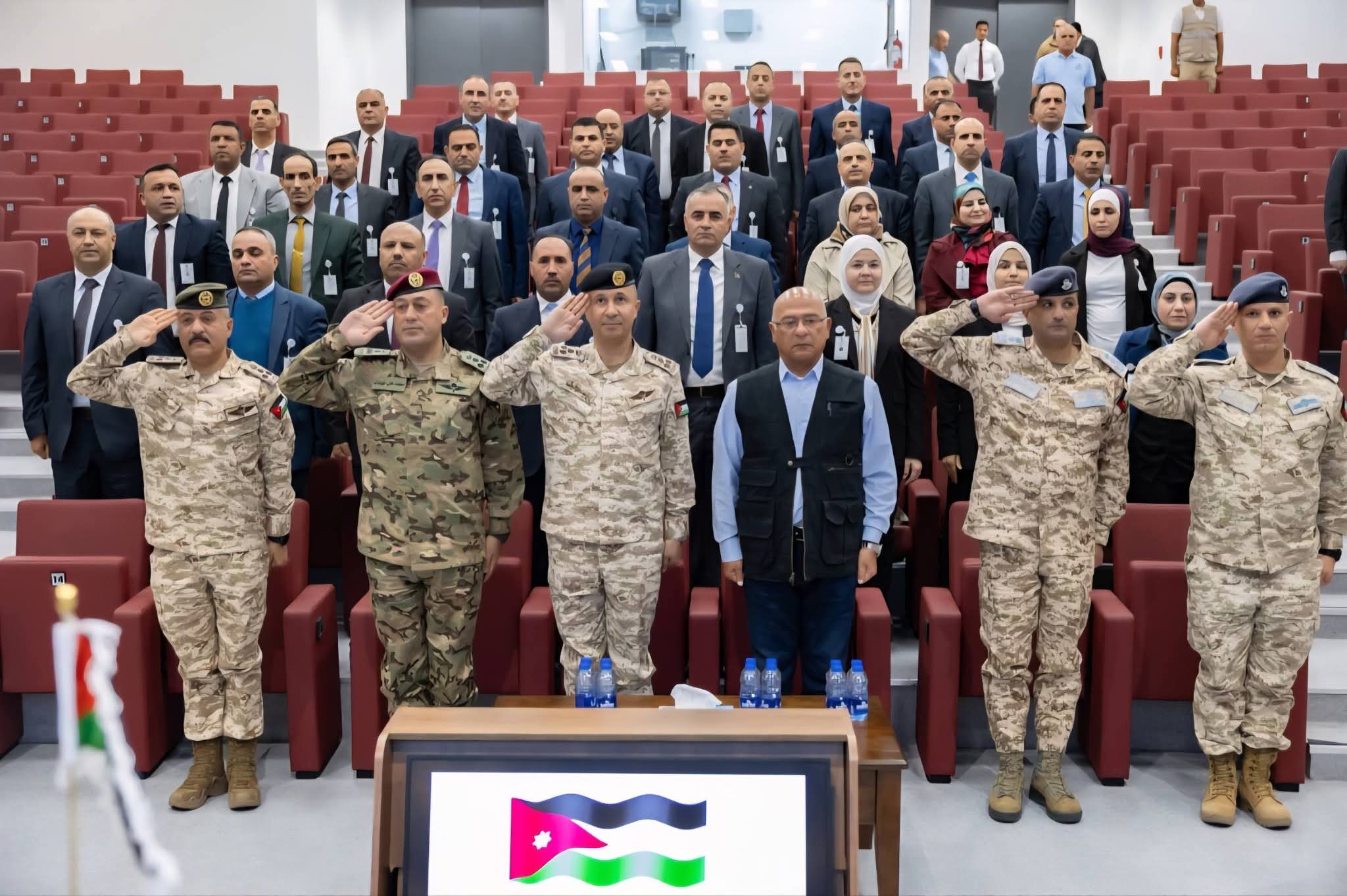
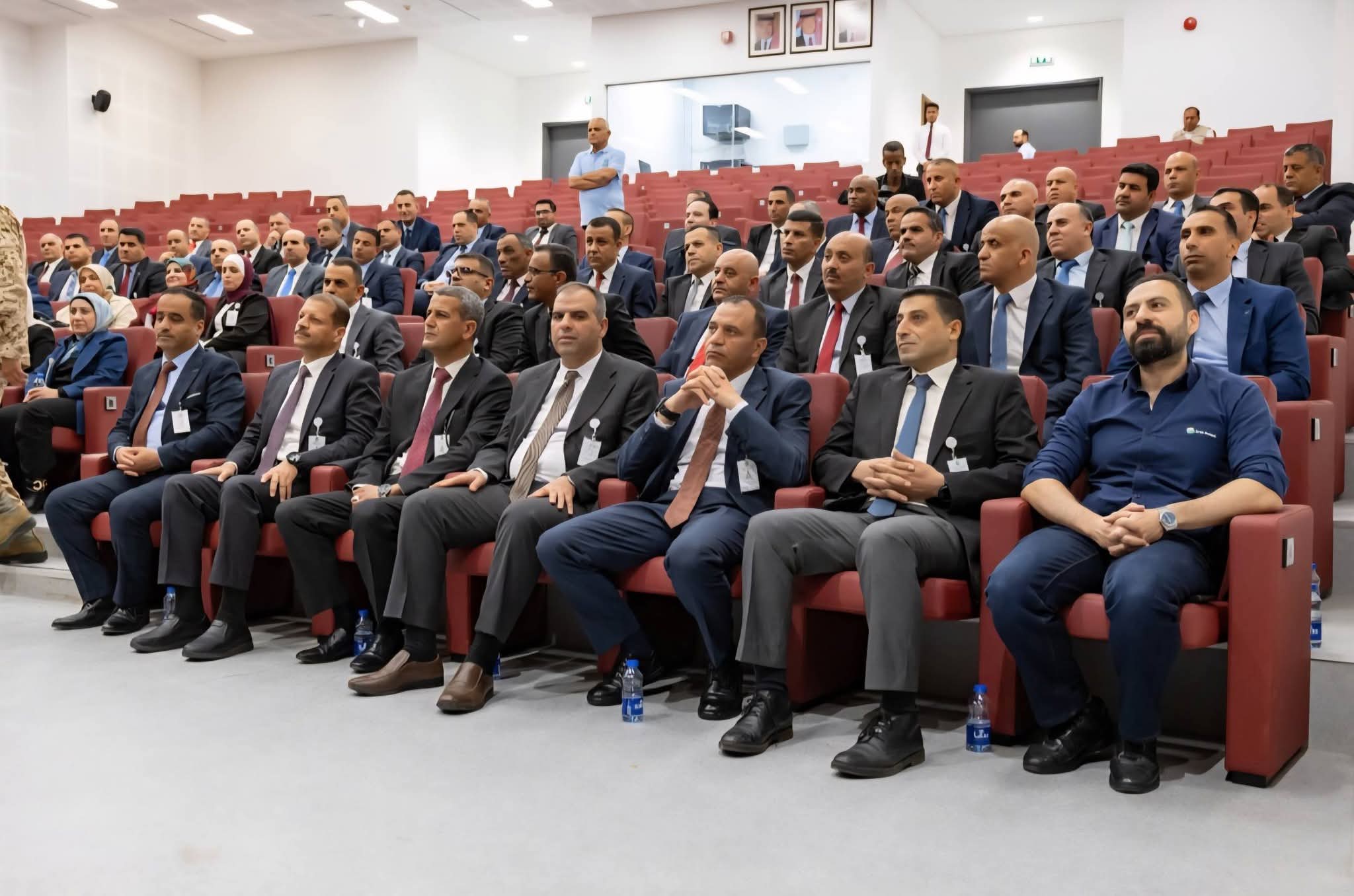
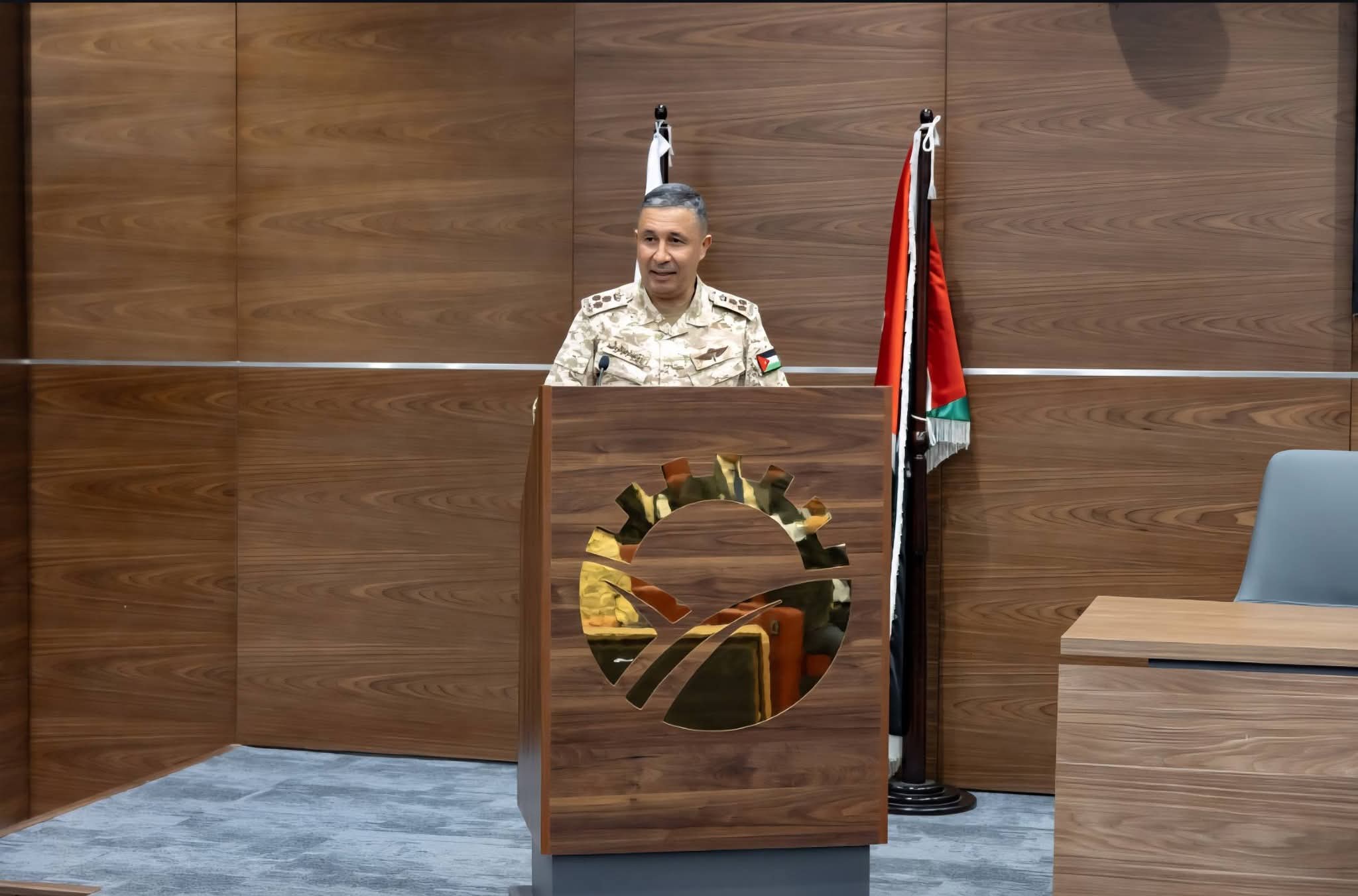
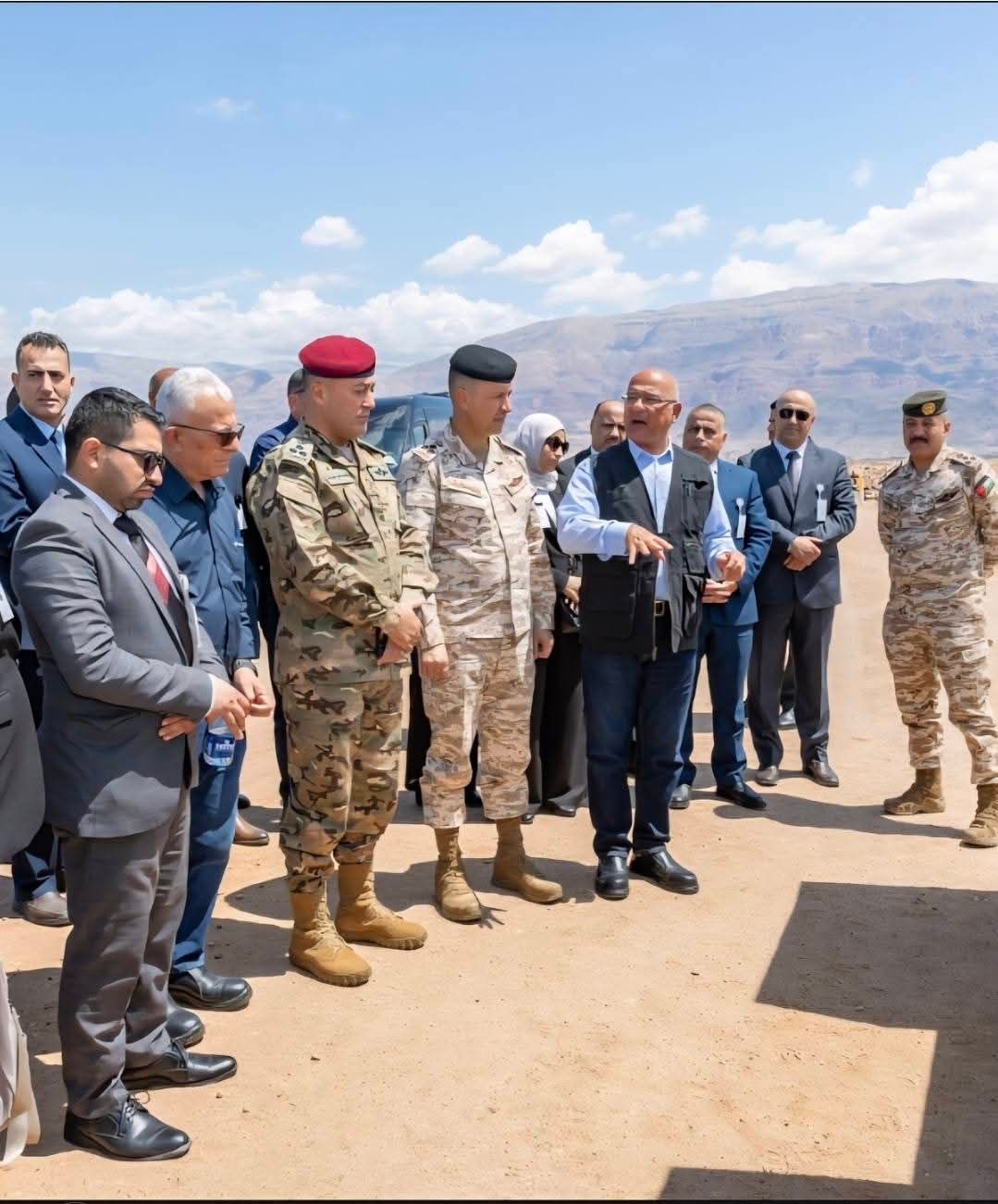
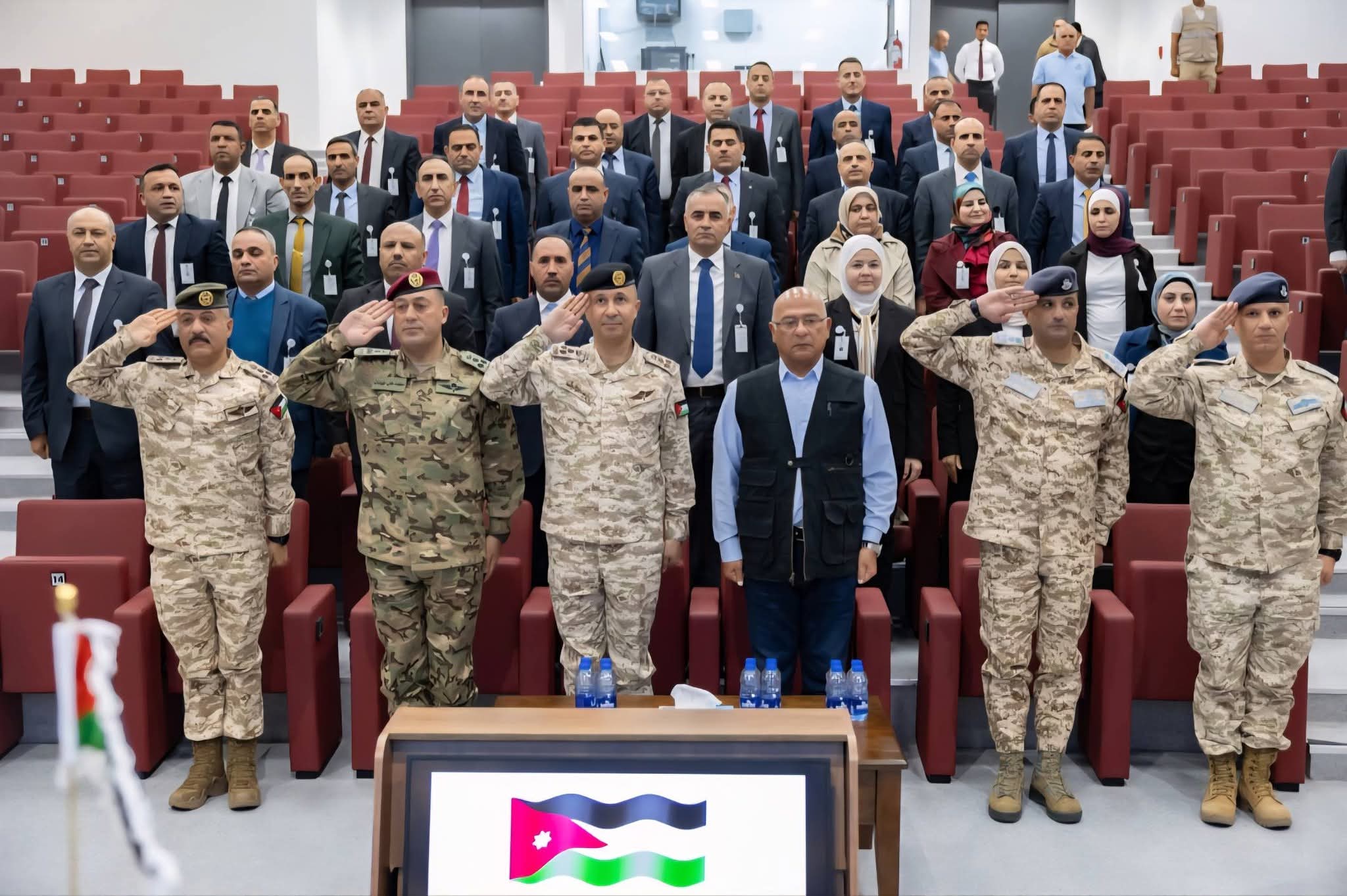
غور الصافي – أكد الرئيس التنفيذي لشركة البوتاس العربية الدكتور معن النسور أن الشركة تمضي في تنفيذ استراتيجية تحول صناعي متكاملة تهدف إلى تعظيم القيمة المضافة للثروات التعدينية الوطنية وتعزيز مساهمتها في دعم الاقتصاد الوطني وترسيخ ركائز الأمن الاقتصادي. جاء ذلك خلال استقبال الشركة وفداً من المشاركين في دورة الدفاع الوطني (23/2026) في كلية الدفاع الوطني الملكية الأردنية برئاسة آمر الكلية العميد الركن رزق الرواشدة، ومشاركة رئيس هيئة التوجيه العميد الركن محمد المهيدات وأعضاء هيئة التوجيه، خلال زيارة ميدانية إلى مصانع الشركة في منطقة غور الصافي، للاطلاع على تجربة الشركة ودورها في دعم ركائز الأمن الاقتصادي وتعزيز مساهمة القطاع الصناعي في الاقتصاد الوطني.
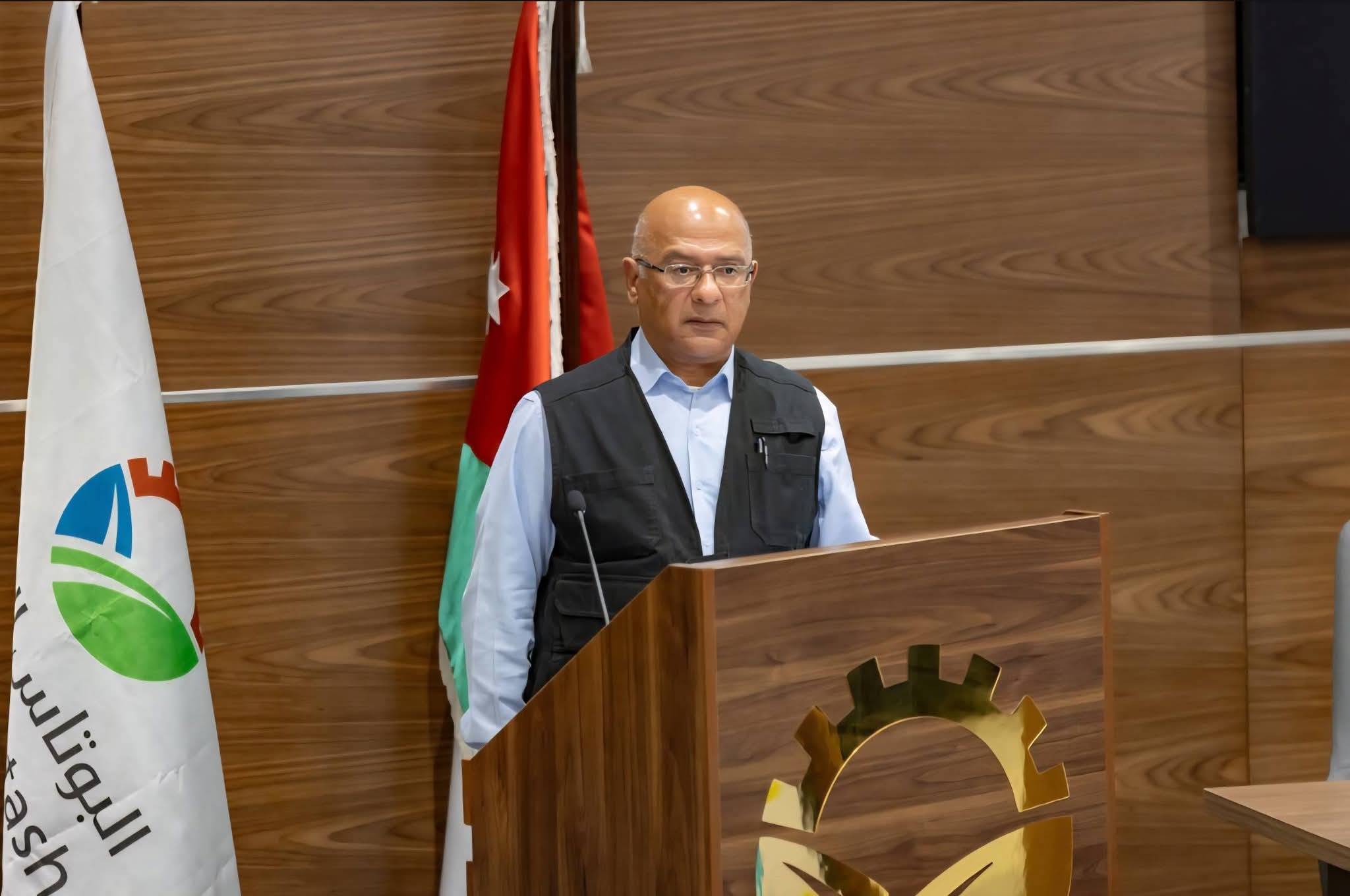
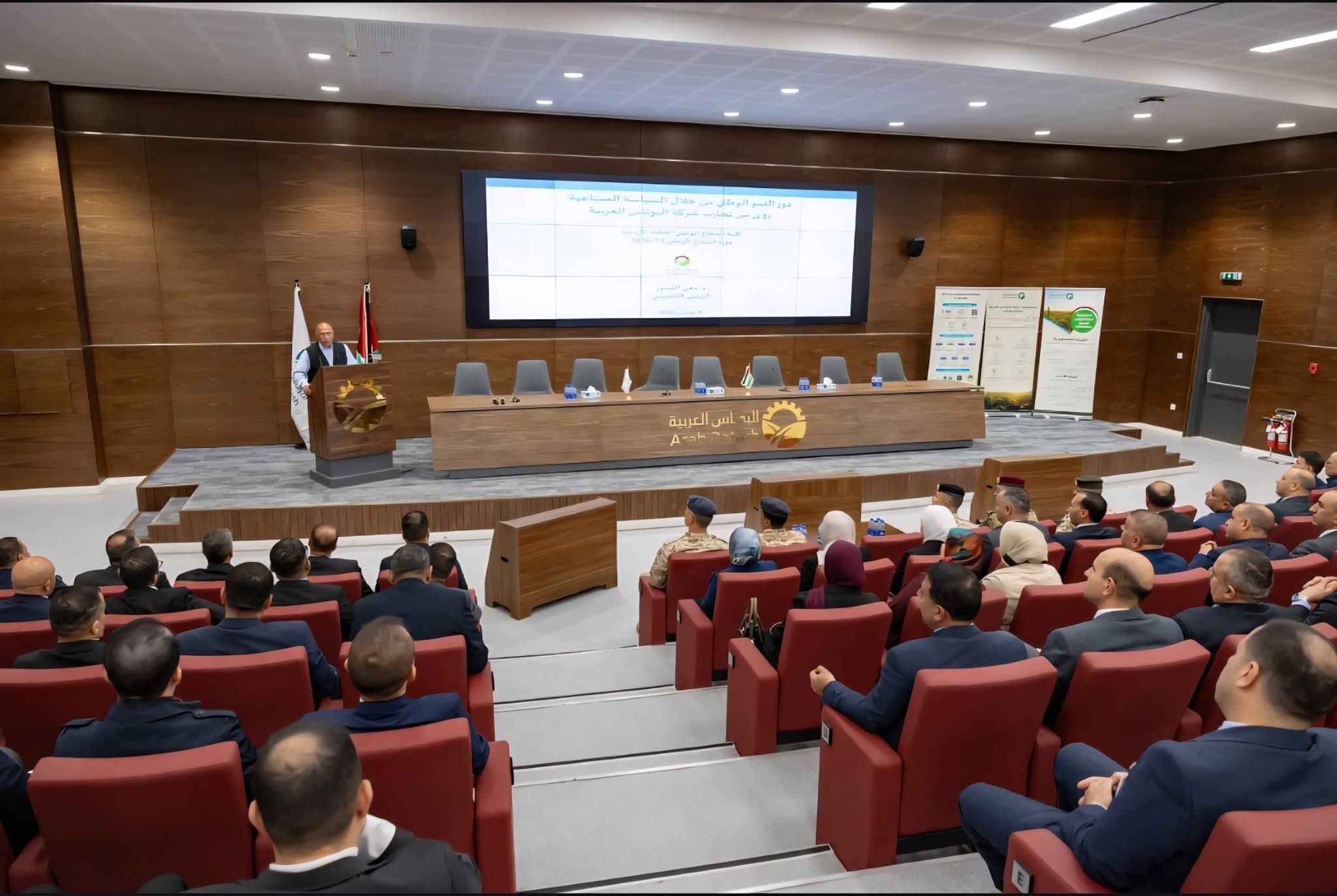
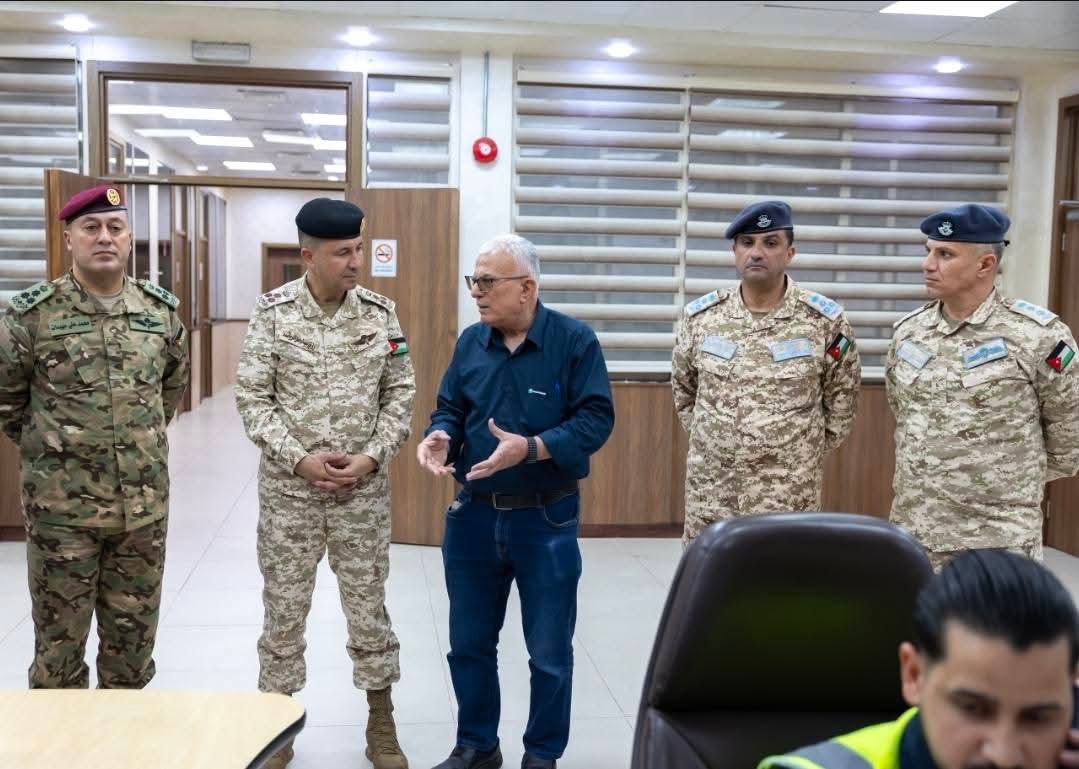
وخلال الزيارة، قدّم الدكتور النسور محاضرة بعنوان: "السياسة الصناعية ودورها في التنمية الوطنية : رؤى من تجربة شركة البوتاس العربية"، استعرض خلالها التحول النوعي الذي شهدته الشركة خلال السنوات الأخيرة، وانتقالها من مرحلة الإنتاج التقليدي إلى مرحلة التكتل الصناعي المتكامل القائم على تعظيم القيمة المضافة وتطوير الصناعات المشتقة.
وأشار الدكتور النسور إلى أن الشركة سجلت خلال عام 2025 رقماً قياسياً تاريخياً في إنتاج البوتاس بلغ نحو (2.9) مليون طن بنمو تجاوز 21%، فيما بلغ صافي الإيرادات الموحدة نحو (726) مليون دينار، وصافي الأرباح الموحدة قرابة (173) مليون دينار، وهو ما يعكس متانة الأداء التشغيلي والمالي للشركة.
وأضاف الدكتور النسور أن الشركة نجحت خلال السنوات الأخيرة في تعزيز حضورها في الأسواق العالمية من خلال تطوير منتجات جديدة من البوتاس وفتح أسواق تصديرية إضافية في أوروبا والبرازيل وعدد من الأسواق الآسيوية، ما أسهم في تلبية الطلب المتزايد على الأسمدة في الأسواق الدولية وتعزيز موقع الأردن ضمن سلاسل الإمداد العالمية.
وأوضح الدكتور النسور أن رؤية الشركة الاستراتيجية الممتدة حتى عام 2034 لا تقتصر على رفع الطاقة الإنتاجية لتصل إلى نحو(3.7) ملايين طن، بل تمتد إلى فتح مسارات صناعية جديدة وتوسيع محفظة المنتجات المتخصصة ذات القيمة المضافة العالية، بما يعزز موقع الأردن ضمن سلاسل القيمة العالمية ويدعم الأمن الغذائي العالمي.
كما أشار الدكتور النسور إلى أن الخطط الاستثمارية للشركة تتضمن مشاريع رأسمالية تقدر كلفتها بنحو (3.4) مليار دولار، تستهدف تطوير منظومة الإنتاج والتوسع في الصناعات الكيماوية والمواد المشتقة، بما ينسجم مع مستهدفات رؤية التحديث الاقتصادي.
وأكد الدكتور النسور أن شركة البوتاس العربية تُعد اليوم من قواطر التنمية الاقتصادية الرئيسية في البلاد من خلال مساهمتها في رفع مستوى الصادرات الوطنية وتدعيم موازنة الدولة وتوفير فرص العمل للأردنيين.
وبين الدكتور النسور أن العلاقة بين الأداء الاقتصادي للدول واستقرارها ترتبط ارتباطاً وثيقاً يعكس تفاعلاً عميقاً بين معطيات التنمية ومؤشرات الأمن الاجتماعي والسياسي، موضحاً أنه كلما ازداد الاقتصاد قوةً وتنوعاً، وتحققت معدلات نمو مستدامة، انعكس ذلك إيجاباً على مستوى معيشة الأفراد، مما يحدّ من الفوارق الاجتماعية ويعزز الثقة بين المواطن ومؤسسات الدولة.
وأشار الدكتور النسور كذلك إلى أن الأداء الاقتصادي القوي يسهم في تمكين الدولة من الدفاع عن مصالحها في الساحة السياسية العالمية، إذ يمنحها أدوات نفوذ متعددة تتجاوز القوة التقليدية. فالدولة ذات الاقتصاد المتين تمتلك قدرة أكبر على التأثير في القرارات الدولية، سواء عبر الاستثمار، أو الشراكات الاستراتيجية، مما يعزز مكانتها ويمنحها وزناً تفاوضياً أعلى. كما أن الاستقرار المالي يدعم تطوير القدرات الدفاعية والتكنولوجية، ويُكسب الدولة ثقة الحلفاء واحترام الخصوم، الأمر الذي يرسّخ حضورها الفاعل ويُمكّنها من حماية مصالحها وتحقيق أهدافها في النظام الدولي، مبيناً أن الاستثمار في الاقتصاد، وتبني سياسات تنموية رشيدة، لا يُعدّ مجرد خيار مالي، بل هو ركيزة أساسية لضمان الاستقرار الشامل وترسيخ دعائم الأمن الوطني.
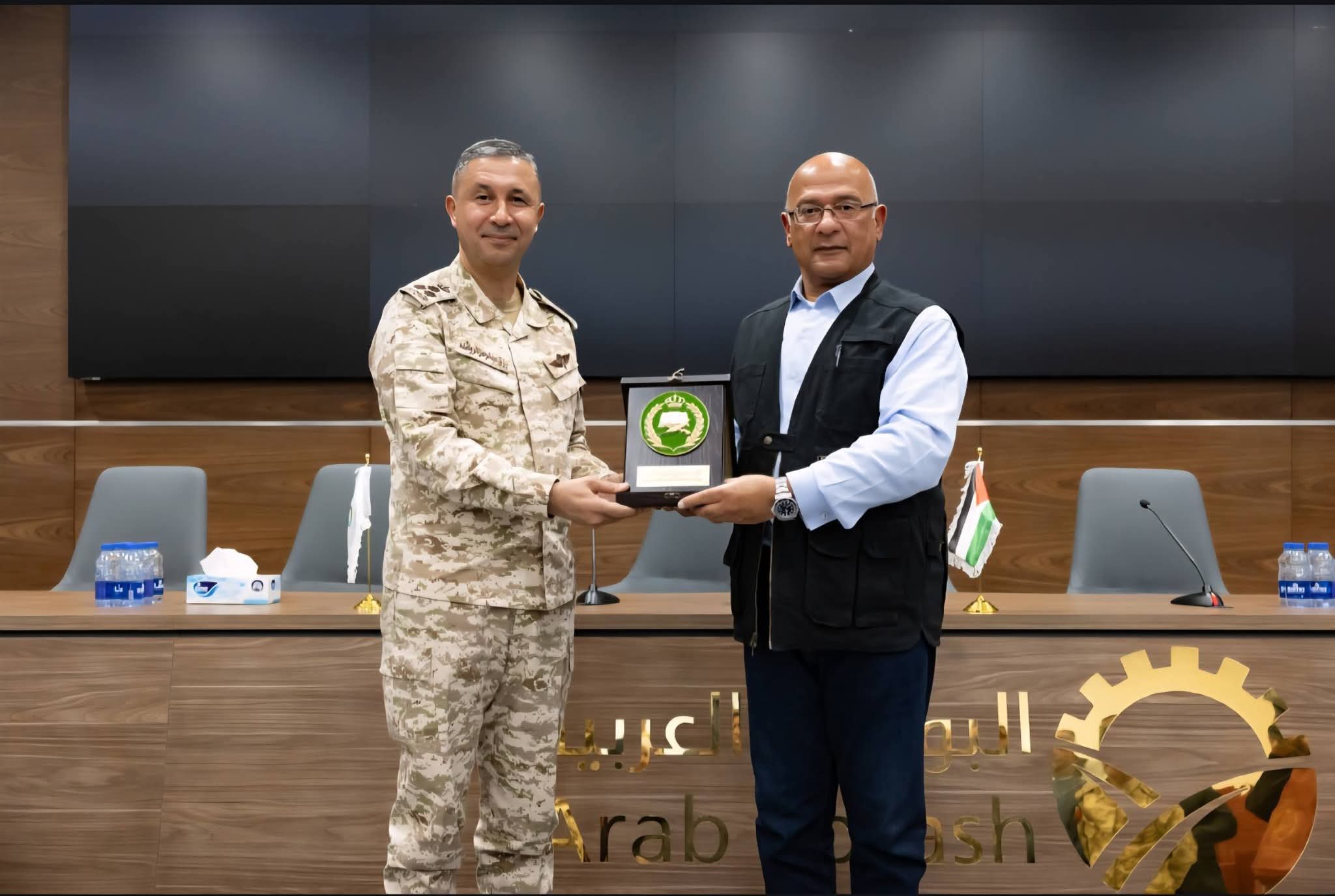
من جانبه، ثمّن آمر كلية الدفاع الوطني الملكية الأردنية العميد الركن رزق الرواشدة الدور الريادي لشركة البوتاس العربية كإحدى ركائز الاقتصاد الوطني، مؤكداً أن الاطلاع على التجارب الوطنية الصناعية الناجحة يسهم في تعزيز الفهم الاستراتيجي لدى المشاركين، خصوصاً فيما يتعلق بمفهوم الأمن الاقتصادي ودوره في دعم الأمن الوطني الشامل.
وأشار العميد الركن الرواشدة إلى أن تجربة شركة البوتاس العربية في تحويل الموارد الطبيعية إلى قوة صناعية وتصديرية قادرة على المنافسة العالمية تمثل نموذجاً مهماً في بناء اقتصاد وطني أكثر متانة واستدامة.
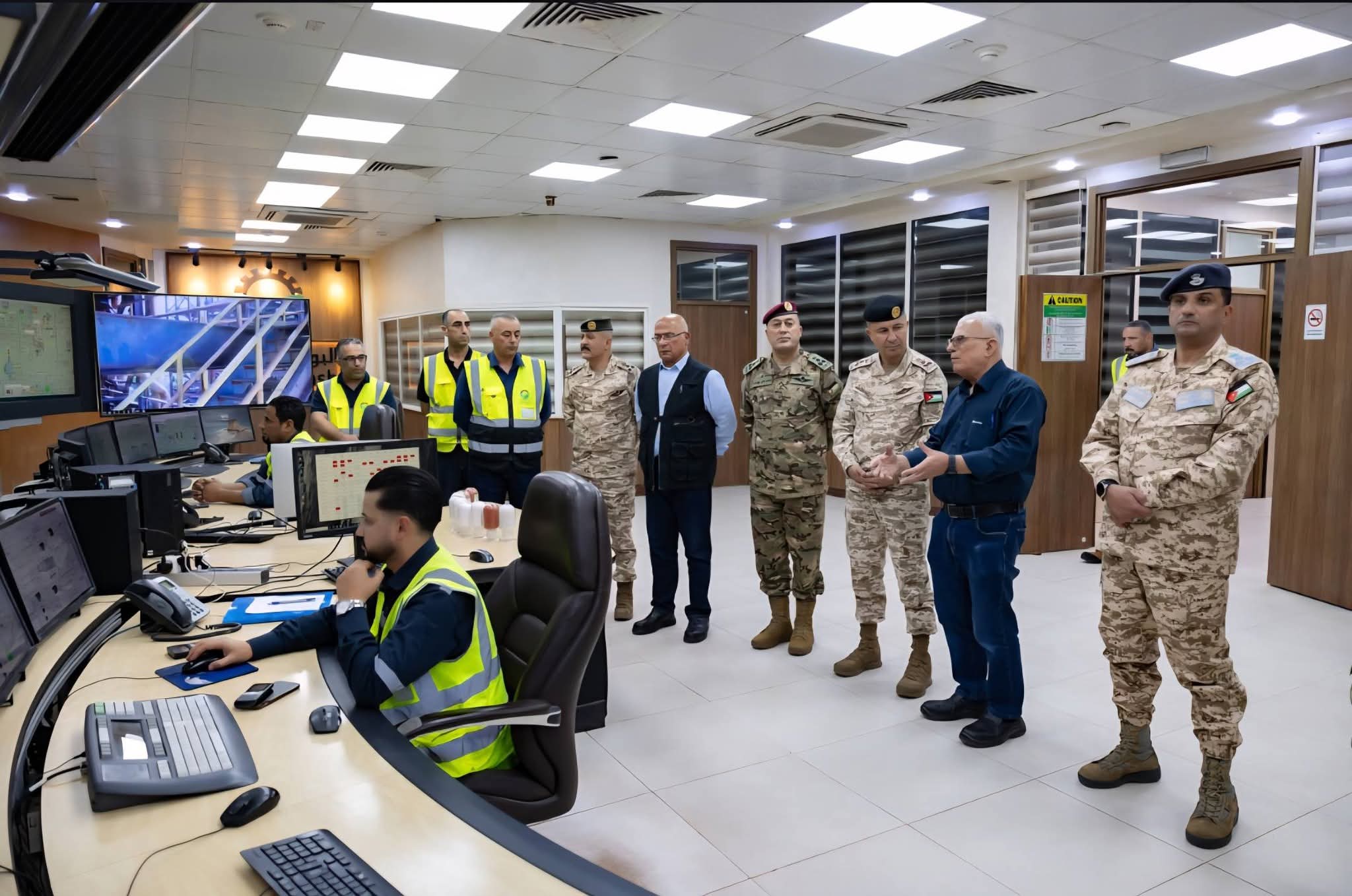
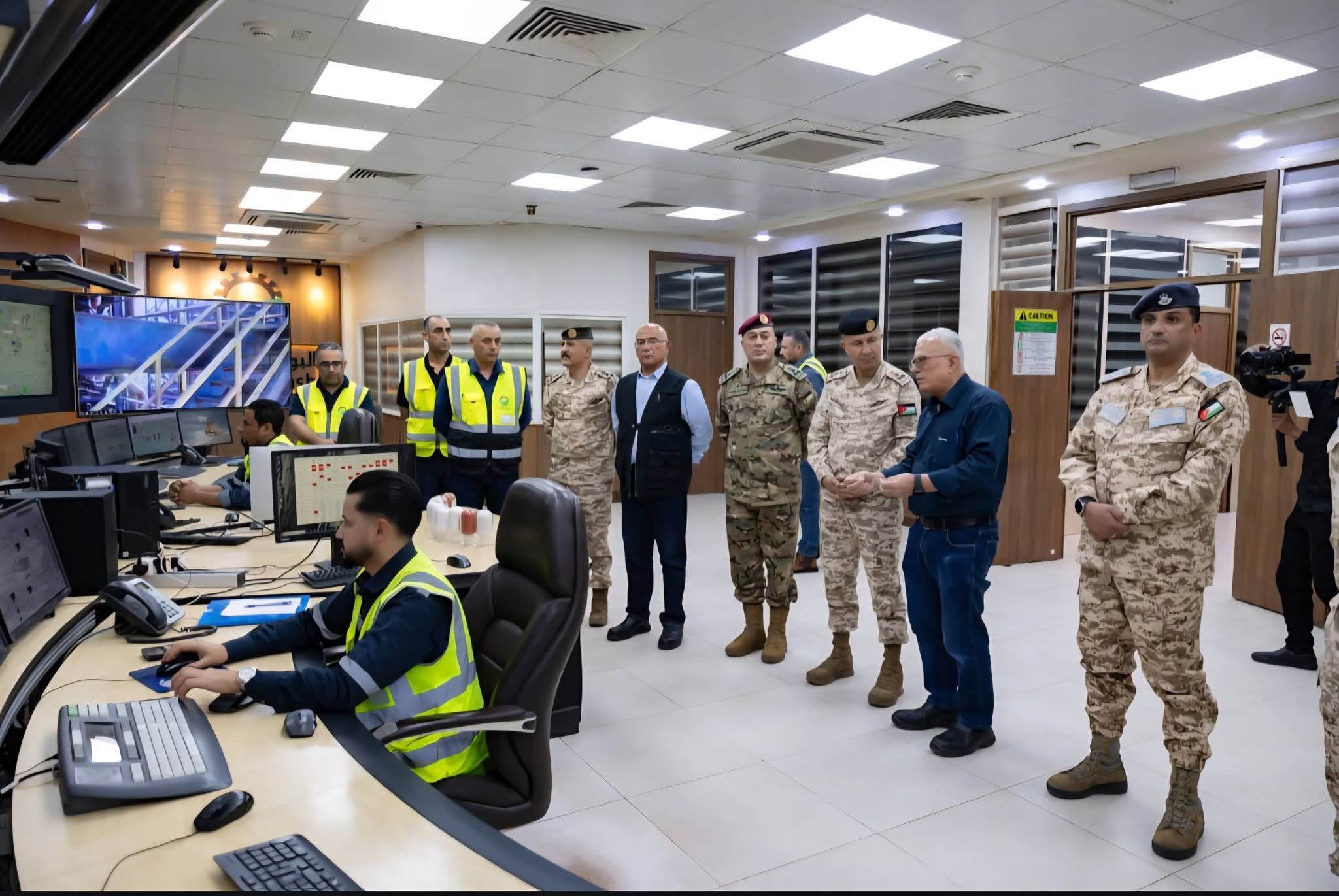
وفي ختام الزيارة، قام الوفد بجولة ميدانية حيث اطلع المشاركون على التقنيات التشغيلية الحديثة وآليات إنتاج البوتاس والمنتجات المتخصصة الموجهة للأسواق العالمية.
========
During the Visit of the National Defense College Delegation to the Company’s Factories in Ghor Al-Safi
Dr. Nsour reviews the role of Arab Potash Company in supporting economic growth and strengthening the foundations of economic security
Arab Potash Company is moving toward developing an integrated industrial cluster to maximize the added value of mineral resources
Ghor Al-Safi – Arab Potash Company’s (APC) President & CEO, Dr. Maen Nsour, affirmed that the company is proceeding with the implementation of a comprehensive industrial transformation strategy aimed at maximizing the added value of national mineral resources, enhancing its contribution to supporting the national economy, and strengthening the foundations of economic security.
This took place during a visit to APC’s plants by a delegation of participants in the National Defense Course (23/2026) at the Royal Jordanian National Defense College, headed by the Commandant of the College, Brigadier General Rizq Al-Rawashdeh, with the participation of the Head of the Guidance Directorate, Brigadier General Mohammad Al-Muhaidat, and members of the Guidance Directorate. The delegation conducted a field visit to the APC’s plants and facilities in Ghor Al-Safi area to highlight the company’s track record and its role in supporting the pillars of economic security and enhancing the contribution of the industrial sector to the national economy.
During the visit, Dr. Nsour delivered an executive briefing titled:
“Industrial Policy and Its Role in National Development: Insights from the Experience of Arab Potash Company,” in which Dr. Nsour reviewed the qualitative transformation the company has undergone in recent years, moving from a stage of conventional production to a stage of an integrated industrial cluster based on maximizing added value and developing derivative industries.
Dr. Nsour pointed out that in 2025 the company achieved record production volumes of potash amounting to 2.9 million tons, with growth exceeding 21% compared to the prior year. Consolidated net revenues reached approximately JOD 726 million, while consolidated net profits were around JOD 173 million, reflecting the strength of the company’s operational and financial performance.
Dr. Nsour added that the company has succeeded in recent years in strengthening its presence in global markets by developing new potash grades and opening additional export markets in Europe, Brazil, and a number of Asian markets. This has contributed to meeting the growing demand for fertilizers in international markets and strengthening Jordan’s position within global supply chains.
Dr. Nsour clarified that the company’s strategic vision extending to 2034 is not limited to increasing production capacity to approximately 3.7 million tons, but also includes opening new industrial streams and expanding the portfolio of specialized, high value-added products, thereby strengthening Jordan’s position within global value chains and supporting global food security.
Dr. Nsour also indicated that APC’s investment plans include capital projects with an estimated cost of about USD 3.4 billion, targeting the development of the production facilities and expansion in derived chemicals and downstream industry, in line with the objectives of the Economic Modernization Vision.
Dr. Nsour affirmed that the Arab Potash Company is today one of the main drivers of economic development in the country through its contribution to increasing national exports, supporting the inflows to Jordan’s treasury, and providing employment opportunities for Jordanians.
He further explained that the relationship between the economic performance of countries and their stability is closely interconnected, reflecting a deep interaction between development indicators and social and political security indicators. He noted that the stronger and more diversified an economy becomes, and the more sustainable growth it achieves, the more positively this is reflected in citizens’ living standards, which reduces social disparities and strengthens trust between citizens and country’s institutions. Conversely, weak economic performance, accompanied by unemployment and rising poverty rates, constitutes fertile ground for instability.
Dr. Nsour also pointed out that strong economic performance contributes to enabling the country to defend its interests on the global political stage, as it provides it with multiple tools of influence beyond traditional power. A country with a strong economy has a greater ability to influence international decisions, whether through investment or strategic partnerships, thereby enhancing its status and giving it greater negotiating weight. Financial stability also supports the development of defense and technological capabilities and earns the country the trust of allies and the respect of adversaries, which consolidates its active presence and enables it to protect its interests and achieve its objectives within the international system. He emphasized that investing in the economy and adopting sound development policies is not merely a financial choice, but a fundamental pillar for ensuring comprehensive stability and consolidating the foundations of national security.
The Commandant of the Royal Jordanian National Defense College, Brigadier General Rizq Al-Rawashdeh, praised the pioneering role of Arab Potash Company as one of the pillars of the national economy, affirming that exposure to successful national industrial experiences contributes to enhancing the strategic understanding of participants, particularly with regard to the concept of economic security and its role in supporting comprehensive national security.
Brigadier General Al-Rawashdeh noted that the experience of the Arab Potash Company in transforming natural resources into an industrial and export force capable of competing globally represents an important model in building a more resilient and sustainable national economy.
At the conclusion of the visit, the delegation conducted a field tour during which participants were introduced to modern operational technologies and the mechanisms of potash production and specialized products directed to global markets.