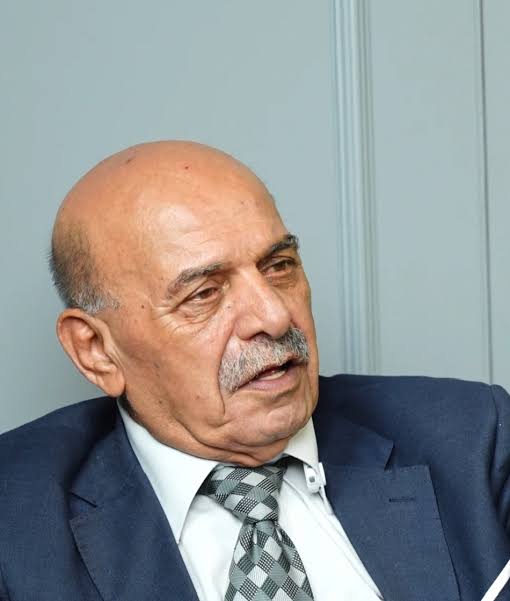

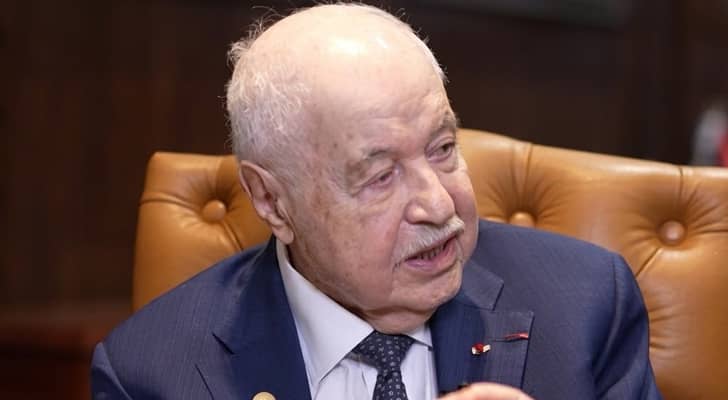
أبوغزاله: الأردن قادر على الصمود ألف عام في مواجهة مشروع 《إسرائيل الكبرى》بالاكتفاء الذاتي
 أنباء الوطن -
الكاتب - طلال ابو غزاله
أبوغزاله: الأردن قادر على الصمود ألف عام في مواجهة مشروع 《إسرائيل الكبرى》بالاكتفاء الذاتي
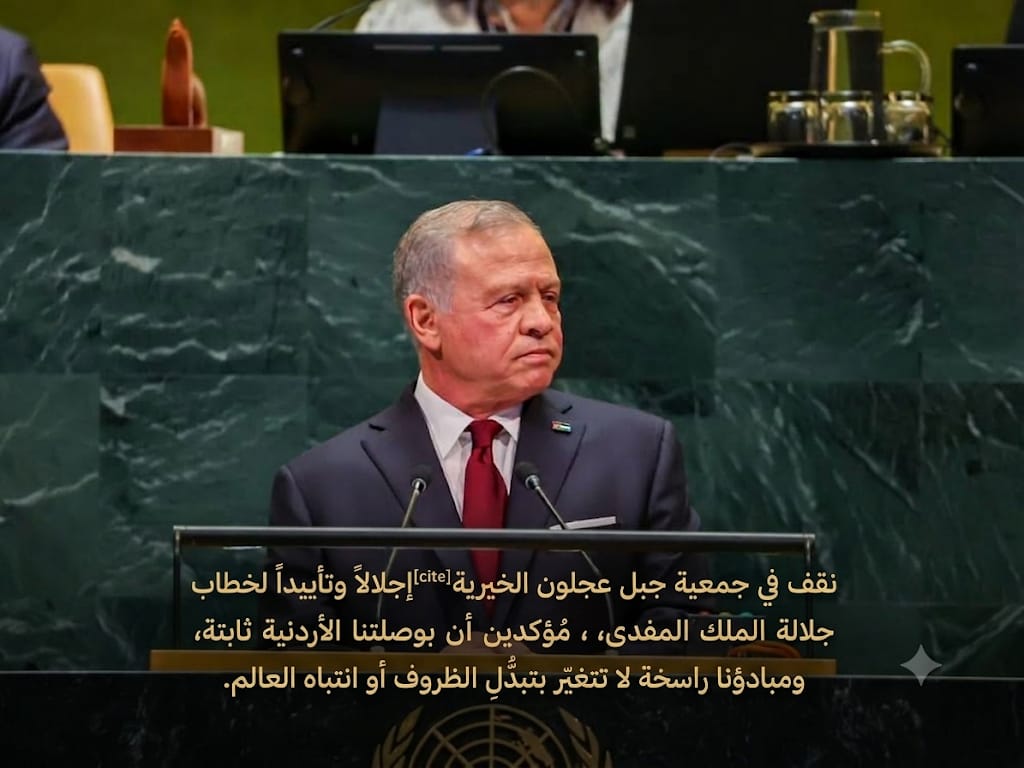
أشاد بموقف وخطاب جلالة الملك في الأمم المتحدة
وأوضح أبوغزاله أن هناك "قناعة دينية إسرائيلية تمنحها الحقّ في السيطرة على فلسطين وأجزاء من الدول المجاورة، بما فيها لبنان وسوريا والعراق والسعودية ومصر"، فيما تختلف الرؤية الصهيونية بالنسبة للأردن عن تلك الدول.
وبيّن أبوغزاله أن التصورات الإسرائيلية بشأن الأردن تقوم على "منح الفلسطينيين جوازات سفر أردنية مع بقائهم في فلسطين وإقامتهم في ما يُسمّى إسرائيل، بدلا من تهجيرهم إلى الأردن أو ضم الأردن، بحيث يصبح الفلسطيني مواطنا أردنيا مقيما في إسرائيل".
وأكد أبوغزاله أن الملك الحسين بن طلال، رحمه الله، والملك عبدالله الثاني رفضا هذا الطرح بشكل قاطع، فالموقف الأردني واضح وحازم، وهو يعتبر مثل هذا الأمر جريمة كبرى.
وفي السياق، أشاد أبوغزاله بخطاب جلالة الملك عبدالله الثاني أمام الجمعية العامة للأمم المتحدة، مبيّنا أن الملك في خطابه سمّى الأمور بمسمياتها، وعبر عن الحقائق بصدق ودقة، وأكد عدم التنازل عن الحقوق، معتبرا أن هذا الموقف يعكس وضوح الرؤية الأردنية تجاه التحديات القائمة.
ورأى أن التعامل مع المرحلة الراهنة يتطلب الجمع بين الثبات السياسي وتعزيز القدرة الاقتصادية، بما يتيح للأردن مواجهة الضغوط والحفاظ على مصالحه الوطنية، مشددا على أن هناك هامشا واسعا للتصرف أمام دول المنطقة.
وأضاف أبوغزاله أن ما يثير القلق هو تعرض الأردن لقيود وعقوبات نتيجة رفضه هذا المشروع، موضحا أن ما يواجهه البلد من صعوبات يعود، في جانب منه، إلى التقصير المحلي وتقصير الحكومات، لكنه يرتبط، في جانب آخر، بالعقوبات المفروضة علينا بسبب الموقف الرافض للمشروع الصهيوني.
وشدد أبوغزاله على أن الأردن بقيادته وشعبه يقاوم هذا المشروع، لكنه في الوقت نفسه يحتاج إلى ترجمة هذا الموقف إلى قدرة اقتصادية وإنتاجية تحمي البلاد من الضغوط الخارجية.
ورأى أبوغزاله أن الأردن يستطيع الصمود ألف سنة مقبلة إذا نجح في تحقيق الاكتفاء الذاتي في ثلاثة مجالات رئيسية، هي الغذاء والدواء والتكنولوجيا والتعليم.
وفي قطاع الغذاء، قال إن كل ما يحتاجه الأردني يمكن تأمينه محليا، وإن الأردن قادر على تحقيق الاكتفاء الذاتي والتصدير أيضا، داعيا إلى عدم التعامل مع الإنتاج الزراعي من منظور الكلفة المالية المباشرة وحدها.
وفي قطاع الدواء، أكد أن الأردن يستطيع تصنيع الأدوية التي يحتاج إليها، مستندا إلى أن حقوق الملكية الفكرية في هذا المجال محددة بعشرين عاما.
أما في المجال الثالث، المتعلق بالتكنولوجيا والتعليم، فقال إن الثورة المعرفية تتيح للأردن فرصا واسعة لبناء قدراته المحلية وتحقيق التفوق الذاتي.
وشدد أبوغزاله على ضرورة عدم الانصياع لنصائح بعض المنظمات الدولية عندما تتعارض مع المصالح الاستراتيجية للدول، مستشهدا بنصيحة البنك الدولي السيئة لمسؤولين في مصر بشأن إصرار بلادهم على زراعة القمح، رغم إمكانية شرائه من الخارج بنصف الكلفة.
وأوضح أبوغزاله أن هذا المنطق قد يبدو مقبولا من منظور الحسابات المالية، لكنه خاطئ من منظور المصالح الوطنية؛ لأن إنتاج القمح محليا، حتى لو بلغت كلفته ضعف السعر العالمي، يحقق تشغيل العمالة المحلية ويقلل الحاجة إلى العملة الأجنبية.
وأكد أبوغزاله أن الاعتماد على الإنتاج المحلي، وليس تعطيل المواطنين، هو الطريق لحماية المجتمعات من الأزمات، مشيرا إلى أن القوة الحقيقية تكمن في إنتاج الغذاء والدواء والتكنولوجيا والتعليم، بما يجعل تأثر الدول بالأحداث الخارجية هامشيا قدر الإمكان.
وفيما يتعلق بالعمل العربي المشترك، قال أبوغزاله إن تكوين جامعة الدول العربية كان خاطئا من الأساس، وإنه لا يرى إمكانية لتحقيق وحدة بين الدول العربية في ظل الظروف القائمة، مبيّنا أن التركيز العربي ينبغي أن ينصب على العلاقات الثنائية بين الدول، بدلا من التعويل على مشروع الوحدة الشاملة.
ودعا إلى تحويل الجامعة العربية إلى أداة للتعاون الاقتصادي، والعمل على بناء عالم عربي يتعاون اقتصاديا وثقافيا، بما يحقق مصالح الشعوب ويعزز قدراتها.
وفي الشأن الإسرائيلي، توقع أبوغزاله أن تشهد المرحلة المقبلة تغييرا في النفسية والعقلية الإسرائيلية، قائلا إن الإسرائيليين سيصلون في نهاية المطاف إلى قناعة بأنه لا مكان لهم في المنطقة كلها.
وربط هذا التحول المتوقع بالتفاهم الأمريكي الصيني، مضيفا أن الإسرائيلي الذي يرغب في البقاء في فلسطين مستقبلا يمكنه البقاء مواطنا فلسطينيا، أما من لا يرغب في ذلك فعليه العودة إلى بلده الأصلي.
واعتبر أن الانتخابات النصفية الأمريكية أكثر أهمية من الانتخابات الإسرائيلية، في ضوء تأثير السياسة الأمريكية في موازين القوى والتحولات التي تشهدها المنطقة والعالم.
Dr. Abu-Ghazaleh: Jordan Can Remain Steadfast Against the 'Greater Israel' Project for a Thousand Years through Self-Sufficiency
Dr. Abu-Ghazaleh Praises His Majesty King Abdullah II's Stance and Speech before the UN General Assembly
He said in an interview in 'Nabd Al-Balad' program, presented by journalist Mohammad Alkhalidi on Ro'ya TV, that the current phase, although temporary, is difficult, and countries in the region will suffer its consequences especially in light of the 'Greater Israel' project, and the Zionist perceptions associated with it regarding control over the region.
Dr. Abu-Ghazaleh explained that there is an "Israeli religious conviction granting them the right to control Palestine and parts of neighboring countries, including Lebanon, Syria, Iraq, Saudi Arabia, and Egypt." However, the Zionist vision regarding Jordan differs from those other countries.
He pointed out that Israeli perceptions regarding Jordan are based on "granting Palestinians Jordanian passports while keeping them in Palestine and allowing them to reside in so-called Israel, rather than displacing them to Jordan or annexing Jordan. So, the Palestinians would become Jordanian citizens residing in Israel".
King Hussein bin Talal and His Majesty King Abdullah II strongly opposed this proposition, with Jordan viewing any such proposal as a grave crime.
In this context, Dr. Abu-Ghazaleh praised the speech of His Majesty King Abdullah II before the United Nations General Assembly, noting that the King called things by their proper names, as His Majesty articulated the truths at hands with honestly and precision, and emphasized that rights will not be compromised. Dr. Abu-Ghazaleh described this stance as reflecting the clarity of the Jordan's vision in addressing the challenges facing the region.
He considered that navigating the current phase requires combining political steadfastness with strengthening economic capacity, enabling Jordan to face pressures and safeguard its national interests, emphasizing that countries in the region have a wide margin of flexibility and considerable scope for maneuver.
Dr. Abu-Ghazaleh added that what raises concern is Jordan being subjected to restrictions and penalties for its rejection of this project. He explained that the difficulties facing the country are partly due to domestic shortcomings and government deficiencies, but are also linked to "penalties imposed on us because of our opposition to the Zionist project".
Dr. Abu-Ghazaleh stressed that Jordan, with its leadership and people, resists this project, but at the same time needs to translate this stance into an economic and productive capacity that protects the country from external pressures.
He believes that Jordan can endure for the next thousand years if it succeeds in achieving self-sufficiency in the main areas: food, pharmaceutical, technology and education.
In the food sector, he stated that Jordan has the ability to domestically meet its food needs, achieves self-sufficiency and exports agricultural products. He said that agricultural production should not be solely judged based on its direct financial cost.
In the pharmaceutical sector, he affirmed that Jordan is capable of manufacturing the medicines it needs, noting that intellectual property rights in this field are limited to twenty years.
As for the third area, concerning technology and education, he said that the knowledge revolution offers Jordan broad opportunities to build its local capabilities and achieve self-superiority.
Moreover, Dr. Abu-Ghazaleh stressed the importance of never yielding to the advice of certain international organizations when these contradict their strategic national interests, citing the World Bank's misguided advice to officials in Egypt regarding their country's insistence on growing wheat, despite the possibility of importing it from abroad at half the cost.
Dr. Abu-Ghazaleh highlighted that this logic might seem acceptable from a financial accounting perspective, but it is weak from the perspective of national interests; because producing wheat locally, even if its cost reaches twice the global price, generates local employment and reduces the need for foreign currency.
Dr. Abu-Ghazaleh further affirmed that reliance on local production; rather than marginalizing citizens, is the path to protecting societies from crises, noting that true power lies in producing food, medicine, technology, and education domestically, which helps minimize a country's exposure to external threats and risks.
Regarding joint Arab action, Dr. Abu-Ghazaleh said that the formation of the League of Arab States was wrong from the beginning, noting that the possibility of achieving unity among Arab countries under current conditions is far away. He stated that Arab focus should be directed toward bilateral relations between countries rather than relying on a comprehensive unity project.
He called for transforming the Arab League into an instrument for economic cooperation and working toward building an Arab world that cooperates economically and culturally, in a way that serves the interests of the peoples and enhances their capabilities.
Regarding the matter of Zionist occupation, Dr. Abu-Ghazaleh predicted that the upcoming phase will witness a shift in the Israeli mindset and psychology, stating that Zionists will ultimately reach the conviction that there is no place for them in the entire region.
He linked this expected transformation to the US-China agreement, adding that the Zionists who wish to remain in Palestine in the future can stay as Palestinian citizens, while those who do not wish to do so must return to their country of origin.
Finally, Dr. Abu-Ghazaleh considered the US midterm elections more important than Zionist occupation elections, given the influence of American policy on the balance of powers and the transformations witnessed by the region and the wor